OPEN 24/7

(800) 208-3538
Free Consultation

  • This field is for validation purposes and should be left unchanged.
Home » Preserving Evidence in Your Personal Injury Case

Preserving Evidence in Your Personal Injury Case

Personal Injury Accidents: Preserve Evidence

Evidence can decide whether an injury claim is paid fairly, undervalued, or denied. In a California personal injury case, the injured person usually has the burden of proving what happened, who was responsible, how the injury occurred, and how the injury affected their life. That proof depends on evidence.

At Johnson Attorneys Group, we tell clients to think about evidence preservation after injury as early as possible. Photos disappear. Vehicles are repaired or destroyed. Surveillance footage may be overwritten. Witnesses move or forget details. Medical records can become harder to connect to the accident if treatment is delayed. The sooner evidence is identified and protected, the stronger the claim usually becomes.

This page explains how evidence is preserved in a personal injury case and what steps may matter after a car accident, truck accident, motorcycle crash, pedestrian injury, slip and fall, dog bite, defective product injury, or other negligence-related incident in California.

Why Evidence Preservation Matters

A personal injury claim is not based only on the fact that someone was hurt. The claim must be proven.

In a negligence case, California civil jury instructions generally require proof that the defendant was negligent, that the plaintiff was harmed, and that the defendant’s negligence was a substantial factor in causing that harm. Those are evidence questions. A lawyer must be able to show what the defendant did wrong, how the injury happened, and what losses followed from it.

Evidence may help prove:

how the accident happened;

who caused or contributed to the injury;

whether unsafe property conditions, driver negligence, defective equipment, or company policies played a role;

the seriousness of the injury;

whether medical treatment was related to the incident;

how much income the injured person lost;

whether the injury caused permanent limitations or future medical needs;

whether an insurance company’s version of events is incomplete or inaccurate.

The goal is not to collect random paperwork. The goal is to preserve the facts before they change.

How Is Evidence Preserved in a Personal Injury Case?

Evidence is preserved by identifying it, documenting it, storing it safely, requesting records before they are deleted, and notifying responsible parties that relevant evidence must not be destroyed.

Depending on the case, preservation may involve photographs, video, medical records, physical objects, damaged vehicles, clothing, shoes, witness statements, police or incident reports, employment records, inspection logs, maintenance records, electronic data, phone records, dashcam footage, bodycam footage, surveillance video, repair records, and insurance documents.

A personal injury lawyer may also send a preservation letter, sometimes called a spoliation letter, to a business, property owner, trucking company, government agency, insurer, or other party that may have relevant evidence. The letter puts that party on notice to preserve specific categories of evidence, such as video footage, vehicle data, inspection records, driver logs, maintenance files, photographs, incident reports, or communications.

Start With Safety and Medical Care

Your health comes first. If you are hurt, seek medical attention. Medical records are not just treatment records; they are also evidence. They can document symptoms, diagnosis, imaging, restrictions, referrals, medications, pain complaints, and the timeline between the accident and the injury.

If you wait too long to get care, an insurance company may argue that the injury was not serious or was not caused by the accident. That argument may be unfair, but it is common. Prompt medical documentation helps reduce that dispute.

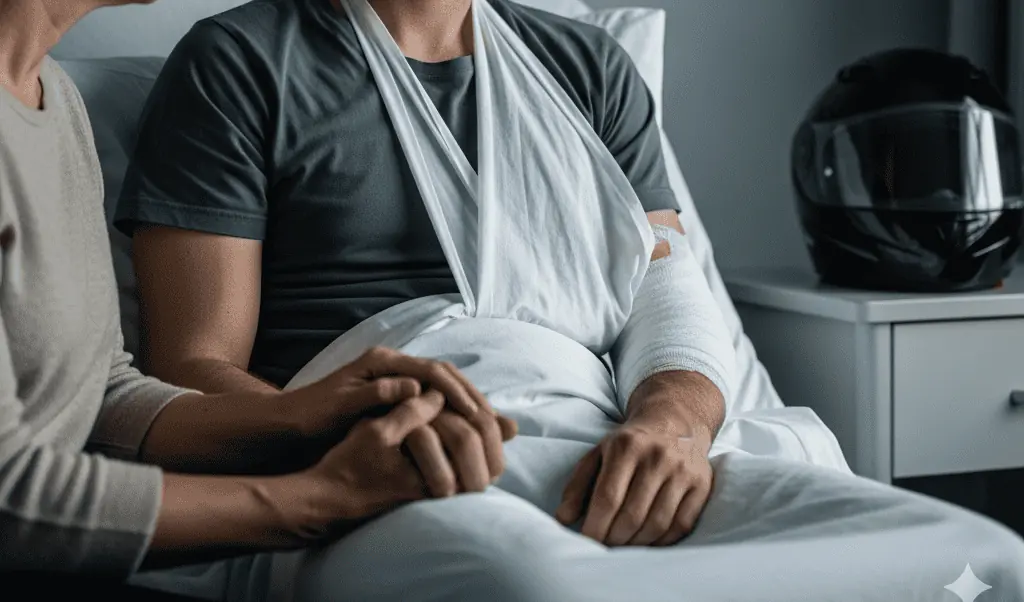
If you have visible injuries, photograph them as they change. Bruising, swelling, cuts, burns, stitches, casts, braces, and scars may look different over time. A clear series of dated photos can show what a single medical bill cannot.

Preserve Evidence at the Scene

If you can safely do so, document the scene as soon as possible. If you are too injured, ask someone you trust to help.

Take wide photos that show the entire scene. Then take closer photos of the details. In a vehicle crash, that may include the vehicles, license plates, skid marks, debris, traffic lights, stop signs, lane markings, construction areas, weather conditions, road defects, damaged guardrails, and the final resting positions of the vehicles.

In a premises-liability case, photograph the hazard and the surrounding area. That may include a spill, broken stair, uneven flooring, missing warning sign, poor lighting, loose handrail, torn carpet, unsafe sidewalk, or obstructed walkway.

Do not rely on memory. The scene can change quickly, especially when vehicles are moved, floors are cleaned, warning signs are added, or repairs are made.

Get Witness Information

Witnesses can help confirm what happened before the other side develops a different version of events. If possible, get names, phone numbers, email addresses, and a brief description of what each witness saw.

Do not pressure a witness to say something. Simply preserve the contact information and, if appropriate, ask whether they are willing to provide a statement later. Independent witnesses can be especially important when fault is disputed or when the injured person did not see the hazard before the injury occurred.

Protect Physical Evidence

Physical evidence should be kept as close as possible to its post-accident condition.

Do not wash, repair, throw away, or alter items that may matter. This may include torn clothing, shoes worn during a fall, a damaged helmet, a child safety seat, broken eyeglasses, a bicycle, a motorcycle, vehicle parts, a defective product, packaging, receipts, warning labels, or equipment involved in the injury.

Store smaller items in a clean, dry, secure place. Photograph them from multiple angles before moving them if possible. For larger items, such as vehicles or machinery, speak with a lawyer before authorizing repairs, disposal, or salvage. Once an item is repaired or destroyed, it may be difficult or impossible to inspect later.

Preserve Vehicle Evidence After a Crash

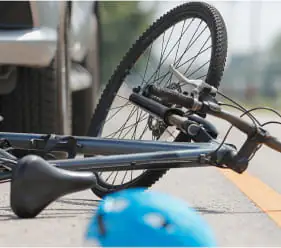
In a car, truck, motorcycle, bicycle, pedestrian, or rideshare accident, the vehicle itself may be important evidence. Damage patterns may help explain angle of impact, speed, point of contact, and whether a driver’s statement matches the physical facts.

Before repairs begin, photograph the vehicle thoroughly. Include all sides, the interior, airbags, seatbelts, child seats, broken glass, deployed safety features, damaged tires, and any personal property damaged in the crash.

For serious crashes, a lawyer may need to arrange a vehicle inspection before the vehicle is repaired, sold, or destroyed. In truck accident and commercial vehicle cases, preservation may also involve driver qualification records, inspection records, maintenance records, electronic logging data, dispatch records, cargo records, and company safety policies.

Keep Accident Reports and Required Filings

For California vehicle collisions, the DMV requires an SR-1 report within 10 days if anyone is injured or killed, or if property damage is over $1,000. The DMV states that this report is required in addition to any report made to law enforcement, the California Highway Patrol, or an insurance company.

Keep copies of any police report, CHP report, exchange-of-information form, incident report, store report, employer report, photographs given to an insurer, claim number, adjuster letters, and emails. These records help establish the timeline and may identify witnesses, insurance policies, responsible parties, and early admissions.

Preserve Digital Evidence

Digital evidence can disappear quickly. Businesses may overwrite surveillance footage. Dashcam files may be deleted. Phones may replace location data. Doorbell cameras may store video for only a limited period. Social media posts can be edited or removed.

Evidence preservation after injury may include:

surveillance footage from stores, apartments, parking lots, restaurants, worksites, or nearby businesses;

dashcam or rideshare footage;

911 calls and dispatch records;

text messages and call logs;

photos and videos taken at the scene;

GPS or app-based trip data;

vehicle event data;

emails with insurance companies;

repair estimates and digital receipts;

social media posts related to the incident.

Do not delete your own posts, messages, photos, or videos without speaking to a lawyer. Also avoid posting about the accident, your injuries, activities, travel, workouts, or settlement discussions while the claim is pending. Insurance companies may review public posts and use them out of context.

Document Medical Treatment and Daily Limitations

Medical bills show part of the loss, but they rarely show the full effect of an injury. Keep a file with appointment records, prescriptions, referrals, imaging reports, therapy notes, work restrictions, mileage to appointments, medical devices, and out-of-pocket expenses.

It can also help to keep a simple injury journal. The journal should be honest and specific. Record pain levels, sleep problems, missed work, activities you cannot do, help you need at home, emotional distress, and changes in mobility. Do not exaggerate. A careful record is useful because symptoms and limitations can be hard to remember months later.

Preserve Wage and Financial Records

If your injury affected your work, keep pay stubs, tax records, schedules, employer letters, disability forms, missed-shift records, business records, and proof of lost opportunities. If you are self-employed, income loss may require invoices, contracts, calendars, bank records, profit-and-loss documents, or communications showing canceled work.

Lost income claims are often challenged. The more organized the documentation is, the harder it is for an insurer to dismiss the loss as speculative.

Act Quickly When a Government Entity May Be Involved

Some cases have shorter deadlines than ordinary personal injury cases. If a public entity may be responsible, a government claim may need to be presented quickly. California Government Code section 911.2 generally requires a claim for injury or death against a public entity to be presented within six months after the cause of action accrues.

This can matter in crashes involving public vehicles, dangerous public roads, defective traffic signals, unsafe sidewalks, public buses, schools, government buildings, or public employees acting in the course of their work.

Because these deadlines are strict, do not wait to ask whether a public entity is involved.

Know the General California Personal Injury Deadline

Many California personal injury lawsuits must be filed within two years for injury or death caused by another person’s wrongful act or neglect.

That does not mean you should wait two years to preserve evidence. By then, footage may be gone, vehicles may be repaired, witnesses may be difficult to find, and documents may be harder to obtain. Evidence preservation should begin immediately, even when the filing deadline is months or years away.

What Not to Do After an Injury

Do not give a recorded statement to the other party’s insurance company without understanding how it may be used.

Do not sign a broad medical authorization without knowing what records the insurer is seeking.

Do not repair or dispose of important physical evidence before it is documented.

Do not post about your injuries or activities online.

Do not assume the business, driver, property owner, or insurer will preserve evidence for you.

Do not delay medical care if you are hurt.

Do not wait to contact a lawyer if the injury is serious, fault is disputed, or important evidence may disappear.

How Johnson Attorneys Group Helps Preserve Evidence

When Johnson Attorneys Group represents an injured person, we look for the evidence needed to prove liability, causation, damages, and insurance coverage. Depending on the facts, we may investigate the scene, request reports, identify witnesses, notify parties to preserve evidence, communicate with insurers, gather medical records, evaluate lost income, and determine whether experts are needed.

Our role is to protect the claim while the client focuses on medical care and recovery. We cannot promise a result, and no lawyer can honestly value a case before the evidence is developed. What we can do is move quickly, ask the right questions, and preserve the proof that may matter later.

Johnson Attorneys Group represents injury victims throughout California. We offer free consultations and handle personal injury cases on a contingency-fee basis, meaning attorney fees are typically paid from the recovery, not upfront.

California Offices

Newport Beach Office
Johnson Attorneys Group Injury & Accidents
4000 MacArthur Blvd., Suite 600 East Tower
Newport Beach, CA 92660
(949) 566-8333

Bakersfield Office
Johnson Attorneys Group Injury & Accidents
4900 California Ave, Tower B, 2nd Floor Suite 18
Bakersfield, CA 93309
(661) 246-4466

We serve clients across the entire State of California. For a free case review, call 1-800-208-3538.

Our Locations

Connect with us
Copyright © 2026, Johnson Attorneys
Group. All rights reserved.
SEO and Webdesign by Clixsy
CONVENIENT OFFICES 4000 MacArthur Blvd.,
Suite 600 East Tower
Newport Beach, CA 92660
Directions
4900 California Ave
Tower B 2nd Floor Ste 18,
Bakersfield, CA 93309
Directions